





New Mexico Jury Orders $375 Million Over User Safety Failures
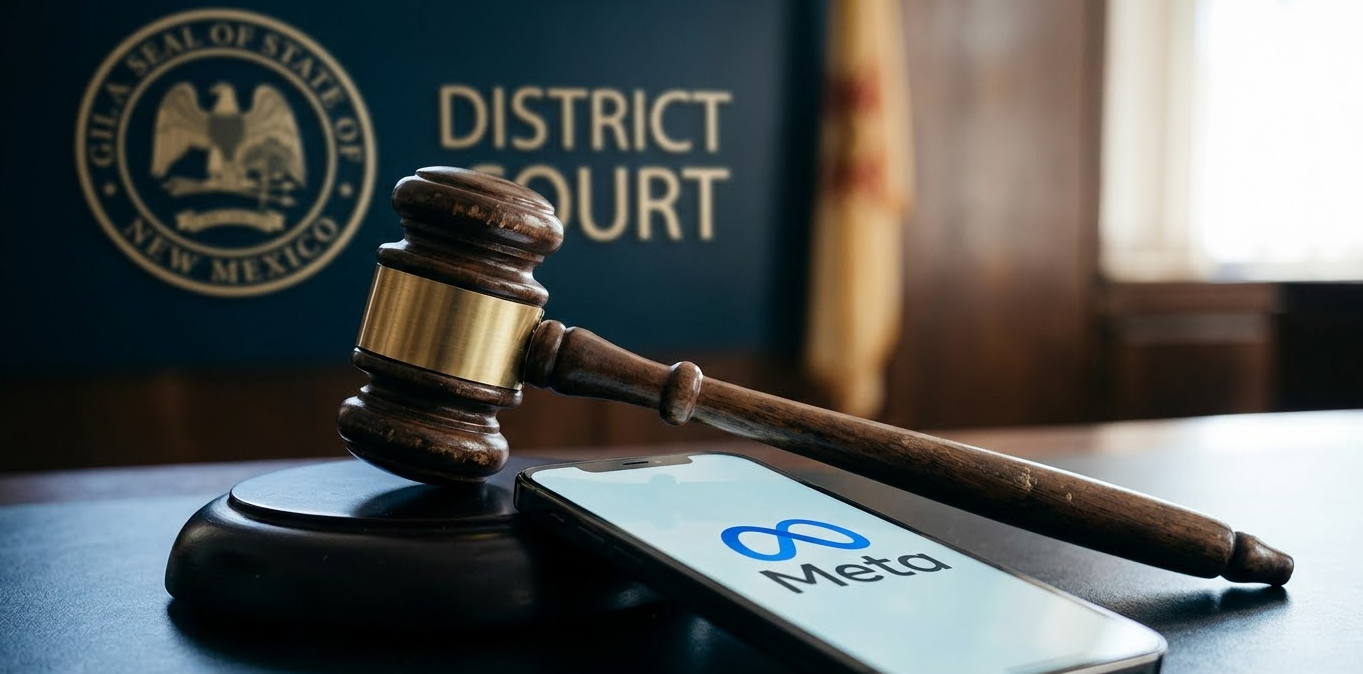
The Meta $375M child exploitation lawsuit verdict has shocked the tech industry after a U.S. jury ordered Meta Platforms to pay $375 million in damages. The decision came from a New Mexico trial that accused the company of failing to protect children from sexual exploitation on its platforms. This landmark case highlights growing concerns around social media safety, platform accountability, and user protection.
A jury in New Mexico ruled that Meta did not do enough to safeguard minors on Facebook and Instagram. According to the case, the company’s algorithms and platform design allowed harmful content to reach children, making it easier for predators to exploit them.
The $375 million verdict reflects rising frustration among lawmakers, parents, and advocacy groups who believe social media companies must take stronger action to protect users, especially minors.
What Happened in the Case?
The lawsuit focused on Meta’s alleged failure to implement strong safety systems. Plaintiffs argued that the company knew about the risks but failed to act quickly or effectively.
The court found that Meta’s systems contributed to the spread of harmful content. This ruling sets a strong example for how tech companies may be held responsible for user safety moving forward.
Why Did This Case Gain Attention?
This case gained widespread attention because it directly connects platform design and algorithmic recommendations to real-world harm. Prosecutors claimed that Meta continued to allow dangerous content despite being aware of its impact.
Key Allegations
- Failure to introduce strong child safety measures
- Algorithms promoting or exposing harmful content
- Slow or ineffective response to exploitation reports
Stakeholders and Their Reactions
Victims and Advocacy Groups
Child safety organizations welcomed the verdict, calling it a major step toward holding tech giants accountable. Many believe this ruling could lead to stronger global laws.
Government and Regulators
Lawmakers see this decision as proof that stricter digital safety regulations are needed.
Meta’s Position
Meta has disagreed with the verdict and is expected to appeal. The company says it has invested heavily in AI tools and safety systems to protect users, but critics argue these efforts are not enough.
Challenges Faced in the Case
One major challenge was proving that Meta’s platform directly contributed to harm. Tech companies often argue they are just platforms, not responsible for user content.
Another issue is the complexity of algorithms, which makes it difficult for courts to fully understand how harmful content spreads. Despite this, the jury linked Meta’s design choices to real-world consequences.
Short-Term Impact on Meta and the Tech Industry
In the short term, Meta faces reputational damage and increased legal pressure. While $375 million may not significantly impact its finances, the case sets a powerful legal precedent.
Other tech companies are now under pressure to review their safety policies and strengthen protections for minors.
Long-Term Implications for Social Media Platforms
This verdict could change how social media platforms operate in the future. Experts believe it may lead to:
- Stronger global child safety regulations
- Greater transparency in algorithms
- More lawsuits against tech companies
- Increased investment in AI-based safety tools
For more updates, latest tech updates.
Future of Online Safety and Regulation
This case could become a turning point in digital regulation. Governments around the world may introduce stricter laws to ensure platforms protect minors.
Tech companies may also move toward a “safety-first” approach, focusing more on user protection rather than just engagement and growth.
According to Reuters, this case highlights the growing demand for accountability in the digital space and could influence similar lawsuits globally. (Source)
Conclusion
The Meta $375M child exploitation lawsuit verdict is more than just a financial penalty. It represents a major shift in how society views the responsibility of tech companies. As legal pressure increases, platforms must improve safety measures or risk facing similar consequences in the future.