







Introduction
Launching a new website in 2026 can be challenging due to increasing competition, but understanding how to rank a new website on Google 2026 can give you a significant edge. Effective SEO starts with creating high-quality, valuable content that addresses your audience’s needs. By combining on-page optimization, such as strategic keyword placement and well-structured headings, with off-page tactics like backlink building and social engagement, you can improve your website’s visibility. This guide will walk you through the essential steps, helping beginners navigate Google’s evolving algorithms while avoiding common mistakes that hinder ranking. With the right approach, your new website can gain authority, attract consistent traffic, and achieve long-term success in the digital landscape.
As we navigate through an era of rapid technological advancements, search engine algorithms are also evolving, making it more challenging for new websites to gain traction. In 2026, Google’s algorithms favor authoritative, high-quality content that aligns with user intent. Thus, new website owners must adopt innovative strategies to keep up with these changes. This blog post aims to provide actionable insights and effective SEO tips tailored specifically for new websites, equipping readers with the tools necessary to enhance their online presence.
Furthermore, it is important to understand that effective SEO involves more than just optimizing for search engines. It encompasses a holistic approach that includes understanding the target audience, integrating relevant keywords naturally, and creating engaging content that resonates with users. The ultimate goal is to not only achieve a favorable ranking on Google but also to build a loyal audience over time.
In the following sections, we will explore various strategies and techniques that new website owners can implement to improve their ranking on Google, ensuring that they are well-prepared to navigate the complex landscape of online marketing in 2026.
Understanding Google’s Ranking Algorithms in 2026
As of 2026, Google’s ranking algorithms have evolved significantly, reflecting the ongoing need to provide users with the most relevant and high-quality content. These algorithms undergo frequent updates designed to enhance the overall user experience, ensuring that search results meet user intent efficiently. One of the pivotal updates in this period is the incorporation of machine learning technologies, which allows Google to better understand context and semantics within content. This means that new websites aiming to rank highly must prioritize comprehensive and contextually rich content.
User experience (UX) continues to play a central role in ranking algorithms. Factors such as website loading speed, mobile responsiveness, and intuitive navigation are now more crucial than ever. Websites that offer a seamless user experience are more likely to rank higher in search results. For new websites, it is imperative to adopt best practices in UX design from the outset, as a poor experience can lead to high bounce rates, negatively impacting rankings.
In addition to UX, the quality of content remains a key factor in determining a website’s position in search results. High-quality content is characterized by relevance, depth, and accuracy. New websites should focus on creating in-depth articles that not only address the needs of their audience but also incorporate various multimedia elements to enhance engagement. Furthermore, the importance of E-A-T (Expertise, Authoritativeness, Trustworthiness) has become more pronounced; thus, demonstrating expertise and building credibility is essential for newer competitors aiming to gain a foothold.
To thrive in this evolving landscape, website owners must remain vigilant about updates to Google’s algorithms. Continuous adaptation to these changes is necessary for success. Keeping abreast of the latest developments in search engine optimization (SEO) practices is vital, as staying informed can effectively influence a new website’s ability to rank well in a competitive online environment.
Essential SEO Tips for New Websites in 2026
Establishing a new website in 2026 without a strong SEO strategy can make it challenging to attract organic traffic. Therefore, implementing effective SEO practices is crucial. Here are several actionable tips for new websites aiming to enhance their visibility on Google.
Firstly, conducting thorough keyword research is vital. Utilize tools such as Google Keyword Planner or SEMrush to identify relevant keywords that your target audience is searching for. Focus on long-tail keywords, as they generally have lower competition and higher intent. Incorporating these keywords naturally throughout your content will help search engines understand what your site is about and increase your chances of ranking higher.
Next, enhance the on-page SEO elements of your website. This includes optimizing title tags, meta descriptions, and headers with relevant keywords. Each page should have a unique and descriptive title tag, while meta descriptions should provide a concise summary of the page’s content. Additionally, using header tags (H1, H2, etc.) appropriately throughout your content improves readability and helps search engines understand the structure of your content.
Furthermore, creating high-quality, engaging content is essential for on-page SEO. Aim to provide value to your readers by addressing their queries or solving their problems. Incorporating various content formats, such as infographics and videos, can also enhance engagement and encourage users to spend more time on your site, which is favorable for SEO.
On the off-page side, building quality backlinks is crucial. Focus on establishing relationships with other credible websites in your niche. Guest blogging and sharing your content on social media platforms can help generate backlinks, enhancing your site’s authority in the eyes of Google.
Finally, monitor your website’s performance using tools like Google Analytics and Google Search Console. Analyzing metrics such as organic traffic, bounce rates, and click-through rates can provide insights into areas that need improvement. By continually optimizing your site and content based on data-driven insights, you can significantly improve your chances of ranking well on Google in 2026.

On-Page SEO Techniques for Optimizing Your New Website
On-page SEO is crucial for ensuring that your newly launched website ranks effectively on Google. By focusing on various aspects of on-page optimization, you can enhance both your site’s visibility and overall user experience. One of the fundamental elements is keyword optimization. It is essential to conduct thorough keyword research to identify relevant terms and phrases that potential visitors are searching for. Once identified, these keywords should be strategically incorporated within your content, ensuring that they naturally fit into the context. This technique not only helps search engines understand your site’s content but also enhances its relevancy for users.
Another critical component of on-page SEO involves the use of metadata. Metadata, including title tags and meta descriptions, serves as a quick summary of your page’s content for search engines and users alike. It is advisable to create compelling and concise title tags that incorporate your primary keywords. Likewise, optimizing your meta descriptions can significantly improve click-through rates, as they appear in search engine results. Consider these elements as gateways for users to navigate toward your content; they need to be informative and enticing.
User experience elements play an equally significant role in on-page SEO. Elements such as page speed, mobile-friendliness, and clear navigation contribute greatly to how users interact with your website. A website that loads quickly and is accessible on various devices is more likely to engage visitors and reduce bounce rates. Furthermore, incorporating HTML tags effectively, such as header tags (H1, H2, etc.), enhances content structure, making it easier for search engines to index your pages while improving readability for users. By combining these on-page SEO techniques, you can create a well-optimized website that stands a better chance of ranking highly on Google.
Off-Page SEO Strategies to Boost Your Ranking
Off-page SEO plays a crucial role in enhancing the visibility and authority of a new website on search engines like Google. One of the most effective strategies for off-page optimization is building high-quality backlinks. Backlinks are links from other websites that point to your site, signaling to search engines that your content is reputable and valuable. To acquire these links, consider writing guest posts on industry-relevant blogs, engaging in content exchanges, or leveraging local business partnerships. Ensure that the sites you are targeting hold authority in your niche to maximize the impact of these backlinks.
Besides backlinks, social media engagement is another powerful off-page strategy. Creating a strong presence on social media platforms not only helps in driving traffic to your website but also plays a significant role in building brand awareness. Regularly posting valuable content, engaging with your audience, and fostering community relationships can lead to increased visibility. When users share your content, it creates more exposure and the potential for additional backlinks. Establishing a consistent posting schedule and interacting with followers can enhance your credibility and encourage organic traffic.
Collaboration with influencers is a further strategy to elevate your website’s off-page SEO. Influencers often have a loyal and engaged following, which can be beneficial for brand visibility. Identify influencers within your niche who align with your brand values and outreach to them for potential collaborations. This could involve product reviews, sponsored content, or social media takeovers that showcase your website. As their audience interacts with your content, you will generate traffic and potentially gain backlinks, thereby improving your search engine rankings over time.
Content Strategy: Creating Valuable Content in 2026
In the increasingly competitive digital landscape of 2026, establishing a robust content strategy is essential for the successful ranking of a new website on Google. Valuable content acts as a magnet, drawing in target audiences while simultaneously adhering to effective SEO practices. Understanding the nuances of content creation is vital. Content should not only serve to engage readers but also fulfill their informational needs, aligning with their search intent. This dual purpose will significantly enhance the likelihood of attracting backlinks, which are crucial for ranking improvement.
The frequency of content publication plays a crucial role as well. Maintaining a consistent posting schedule helps keep your audience engaged and encourages repeat visits. Google’s algorithms favor websites that regularly update their content, as this signals relevancy and freshness. However, prioritizing quality over quantity is paramount. Each piece of content should be thoroughly researched, well-written, and provide real value to your readers. In 2026, the expectation for informative and engaging content has only intensified, and content that meets these standards typically performs better in search results.
High-quality, relevant content not only attracts visitors but also contributes to longer website dwell times and lower bounce rates, further signaling to search engines that your resource is trustworthy. Additionally, content that answers pressing questions or addresses specific pain points fosters a sense of community and encourages audience interaction, thereby creating a loyal visitor base. This organic engagement can lead to increased shares and backlinks, which are vital components of a successful SEO strategy.
To summarize, a well-thought-out content strategy that prioritizes valuable, relevant, and engaging material will significantly bolster your website’s potential to rank favorably on Google in 2026. It is a long-term investment that pays dividends in terms of traffic, engagement, and authority in your niche.
Analyzing User Engagement Metrics
User engagement metrics play a critical role in understanding a website’s performance and overall effectiveness. Two of the most significant metrics that website owners should monitor are the bounce rate and time on site. The bounce rate indicates the percentage of visitors who leave the site after viewing only one page, while the time on site reflects how long users stay on the website before navigating away. A high bounce rate may suggest that the content is not resonating with visitors, prompting the need for incremental improvements.
To effectively track user engagement, various tools can be employed. Google Analytics is one of the most prominent options, offering a comprehensive suite of features to monitor user behavior. This tool can provide insights into how users navigate through the site, which pages are most popular, and where visitors tend to drop off. Heat mapping software such as Crazy Egg or Hotjar can also enhance understanding by visually representing user interactions, thereby helping identify which areas attract attention and which remain overlooked.
Improving online engagement requires strategic action based on the analysis of these metrics. High bounce rates can be addressed by refining content relevance and enhancing the user experience through faster loading times and improved navigation. Incorporating clear calls-to-action (CTAs) can also encourage users to explore further rather than exiting after a single page. Additionally, optimizing the website’s design and ensuring that it is mobile-friendly can significantly contribute to extended user retention. Employing these strategies can help to lower bounce rates, increase time spent on the site, and ultimately improve the overall user experience, aligned with the goals of ranking a new website on Google effectively.
Common SEO Mistakes to Avoid for New Websites
As new website owners embark on their journey to establish an online presence, they often encounter various challenges related to search engine optimization (SEO). Understanding common SEO mistakes is crucial for avoiding pitfalls that can hinder website ranking and visibility on Google. One prevalent mistake is keyword stuffing. This practice involves overloading website content with keywords in an attempt to manipulate search engine rankings. Such an approach not only detracts from the user experience but can also lead to penalties from search engines. Instead, website owners should focus on creating high-quality, engaging content that naturally incorporates relevant keywords.
Another frequent oversight is neglecting mobile optimization. With an increasing number of users accessing websites via mobile devices, it is imperative for new websites to be responsive and load quickly on all screen sizes. Failing to optimize for mobile can result in high bounce rates and lost traffic. New website owners should employ tools to test their site’s responsiveness and ensure that it adheres to best practices for mobile-friendly design.
A lack of a clear SEO strategy is another critical error made by many new website owners. Without a well-defined SEO plan, it becomes challenging to drive organic traffic effectively. A comprehensive SEO strategy should include keyword research, content planning, link building, and performance analysis. New website owners are encouraged to allocate time to develop a robust plan that aligns with their business goals and the needs of their target audience.
By being aware of these common SEO mistakes, new website owners can take proactive steps to enhance their site’s performance. Prioritizing content quality, mobile optimization, and a clear SEO strategy will significantly improve rankings and increase visibility on Google.
Conclusion: Sustainable SEO Strategies for Long-Term Success
As we navigate the ever-evolving landscape of digital marketing, the importance of implementing sustainable SEO strategies cannot be overstated. In this blog post, we have explored various tactics necessary for garnering visibility and achieving higher rankings on Google in 2026. From optimizing on-page elements to enhancing site performance and building a robust backlink profile, each component plays a pivotal role in establishing your website as a credible authority within your niche.
It is crucial to recognize that SEO is not merely a set once-and-forget activity; instead, it is a dynamic process that requires consistent attention and adjustments based on the latest algorithm updates and user behavior trends. Continuous learning and adaptation are vital to maintain a competitive edge. Investing time in understanding the nuances of search engine optimization will yield long-term benefits and help solidify your online presence.
Furthermore, adopting a holistic approach to SEO that encompasses content quality, user experience, and technical prowess ensures that your website is prepared to meet the demands of both users and search engines. Emphasizing quality over quantity in content creation and focusing on user-centric strategies will not only by enhance your rankings but also foster greater engagement with your audience.
Ultimately, the path to achieving and sustaining excellent search engine rankings relies on diligent application of effective SEO techniques, along with a commitment to staying informed about industry shifts. By fostering resilient SEO practices, you create a foundation for ongoing success that can adapt to future changes and maintain your website’s visibility in an increasingly competitive digital space.
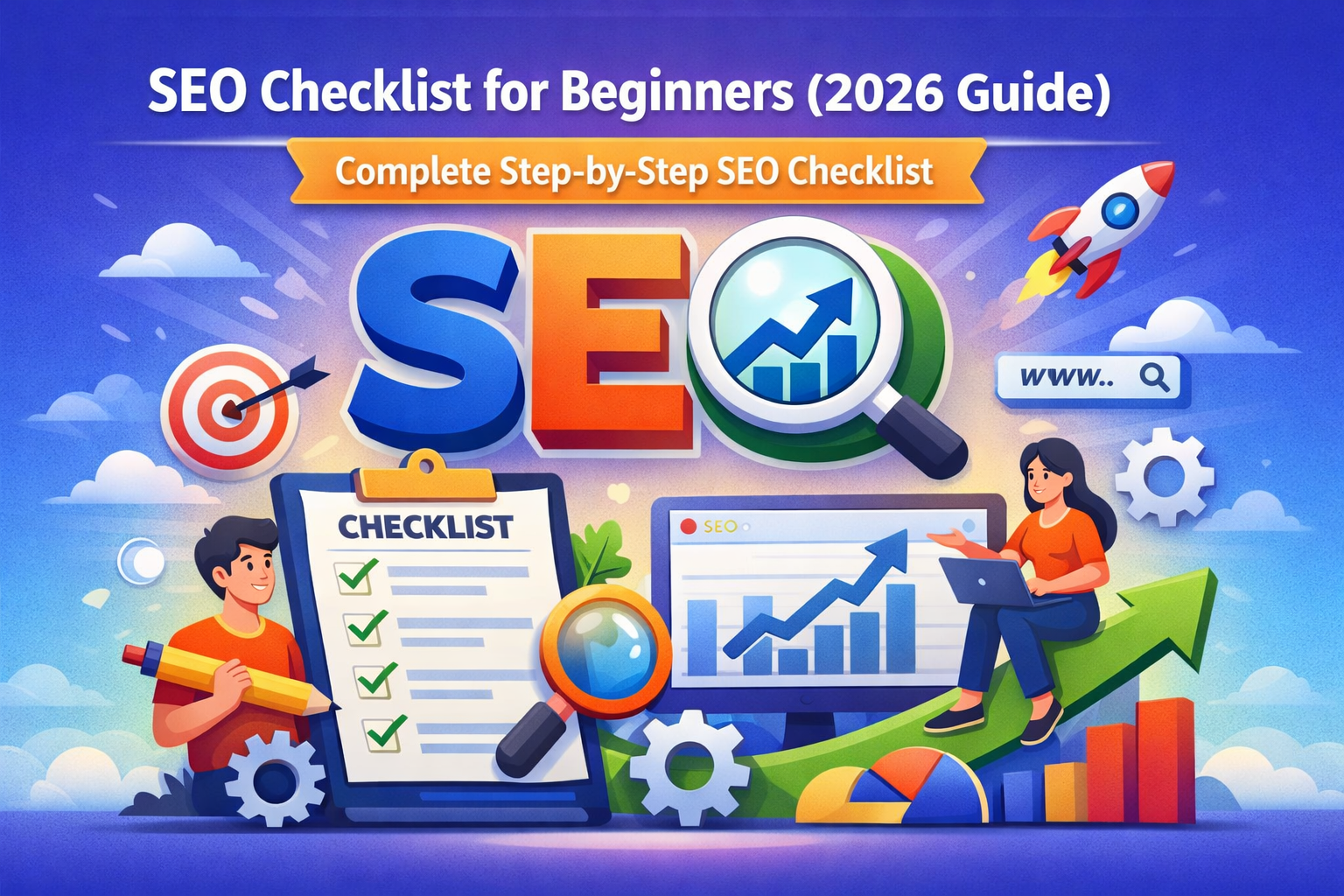
To truly understand how to rank a new website on Google 2026, you should combine strong keyword research with practical SEO checklists and tools. For a complete beginner‑friendly starter guide, check out our SEO Checklist for Beginners (2026 Guide) on GenzeBlog — it walks you through core on‑page and off‑page SEO steps you need to implement today. Also explore our Digital Marketing section for tactical strategies that help you optimize content, improve visibility, and outrank competitors in 2026 and beyond.
In conclusion, understanding how to rank a new website on Google 2026 requires a strategic blend of quality content, on-page optimization, and effective off-page SEO practices. By consistently applying these techniques, avoiding common mistakes, and staying updated with Google’s evolving algorithms, your website can achieve higher visibility and attract the right audience. For more detailed guides, tips, and actionable strategies, visit GenzeBlog to explore additional resources that will help you grow your online presence and succeed in the competitive digital landscape.